
How Often Should You Water Your Lawn in a Toronto Summer?
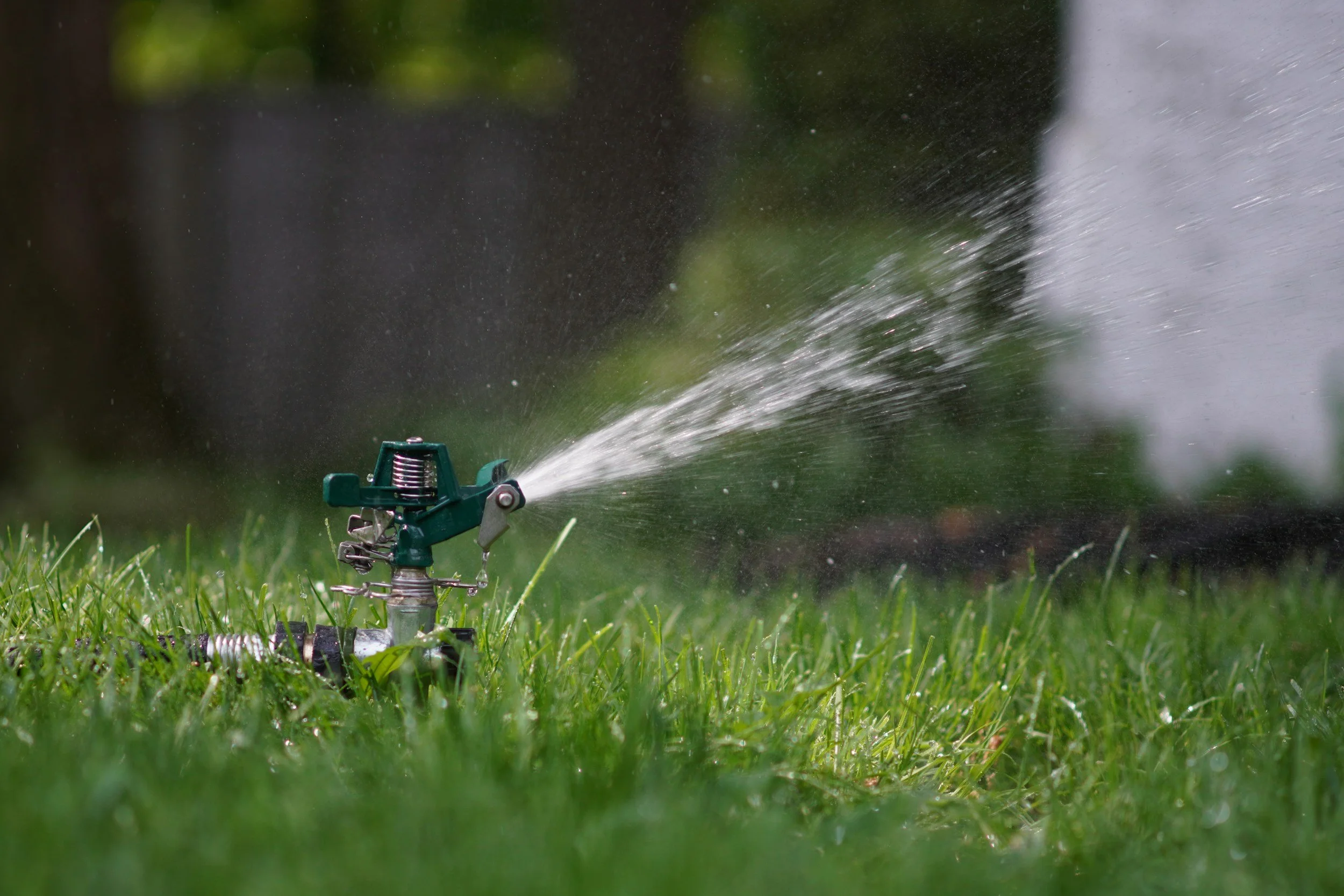
Most Toronto homeowners are watering their lawn incorrectly — either too often and too shallowly, or not at all during dry stretches. Here's the watering approach that actually works for Midtown Toronto's clay-heavy soil.
The Short Answer: How Often to Water a Toronto Lawn
Water deeply twice per week during dry periods in summer. Each session should deliver enough water to penetrate 4–6 inches into the soil — roughly 2.5 cm (1 inch) of total water per week from all sources combined (rain plus irrigation). This schedule works for most Leaside, Davisville, Lawrence Park, and Moore Park lawns from June through August.
The biggest mistake: daily light watering. It keeps the top inch of soil moist while the roots below stay dry, training grass to develop shallow root systems that burn out in heat and recover slowly after stress.
Deep Watering vs. Shallow Watering: Why It Matters
Grass roots follow water. When you water lightly every day, roots stay shallow because there's no incentive to push deeper. Shallow-rooted grass wilts quickly in heat, browns under drought, and needs constant attention through the summer.
Deep, infrequent watering forces roots to grow down to find moisture. Deep-rooted grass in Rosedale and Lawrence Park — where clay subsoil holds moisture longer — can go 5–7 days between waterings without visible stress. It also recovers faster after dry periods.
Best Time of Day to Water
Early morning is optimal — between 5 and 9 AM. Morning watering gives the grass blades time to dry before nightfall, which dramatically reduces the risk of fungal disease. Toronto's humid July and August nights create good conditions for fungal spread; grass going to sleep wet accelerates the problem.
Evening watering is the worst option. If morning isn't possible, midday is better than evening despite the evaporation loss — at least the blades dry quickly.
Adjusting for Toronto's Clay Soil
Clay soil holds water longer than sandy or loam soil but is slower to absorb it. On Leaside and Davisville properties with heavy clay content, you may notice water pooling or running off the surface if you try to deliver 1 inch in a single application. The solution: cycle and soak. Run your irrigation in two cycles — 10–15 minutes, then a 30–45 minute pause, then another 10–15 minutes. This lets the first application absorb before the second round, and you get full penetration without runoff.
Signs You're Underwatering
Watch for these: grass blades folding lengthwise (a stress response); footprints that stay visible after walking across the lawn; a blue-grey colour rather than bright green; and soil that's hard and cracked at the surface. In Lawrence Park and Moore Park, where mature tree roots compete heavily for soil moisture, drought stress tends to show earlier than on open properties.
Signs You're Overwatering
Soggy or spongy patches that stay wet for 24+ hours after watering, persistent mushrooms, or fungal patches (circular brown areas that expand from the edges) are all signs of too much moisture. Overwatered lawns also tend to develop weed pressure faster — many weed species outcompete grass in consistently moist conditions.
If your lawn is struggling despite regular watering, the issue is often compaction or drainage — not the schedule. Green Trail can assess and fix the root cause.
Frequently Asked Questions
How much water does a Toronto lawn need per week?
About 2.5 cm (1 inch) per week from all sources combined — rain plus irrigation. In the hottest weeks of July and August, you may need slightly more. A simple rain gauge placed in the lawn tells you exactly what you've received from rainfall so you can supplement accordingly.
Should I water my lawn during a drought warning in Toronto?
Toronto issues outdoor water use restrictions during drought conditions — typically limiting irrigation to certain days or hours. Check the current City of Toronto status before watering during heat events. During restrictions, prioritize deep watering on your permitted days rather than trying to squeeze in extra sessions.
Why does my lawn go brown every summer even though I water it?
Summer dormancy is normal for cool-season grasses like Kentucky bluegrass, which is common on Midtown Toronto properties. Grass goes dormant (tan/brown) during prolonged heat to conserve energy. It's not dead — it will green up when temperatures drop or rain returns. You can prevent or delay dormancy with consistent deep watering, but in a very hot July it may happen regardless. Fescue blends are more heat-tolerant and stay greener longer if summer browning is a recurring problem.
One of the most common questions Toronto homeowners ask us is: am I watering my lawn too much — or not enough? Overwatering is just as damaging as underwatering. Here's what you need to know.
1. Water Deeply, Not Daily – Your lawn needs about 1 inch of water per week, including rainfall. Watering 2–3 times per week deeply is far better than a little every day. Deep watering encourages roots to grow further into the soil, making your lawn more resilient in dry stretches.
2. Always Water in the Early Morning – Water between 5am and 9am so moisture soaks in before the heat evaporates it and grass blades dry out before nightfall. Watering at night creates conditions for fungal disease and rot.
3. Know the Warning Signs of Underwatering – If grass blades are folding inward, footprints stay visible after you walk across the lawn, or the soil feels dry 2–3 inches below the surface — your lawn is thirsty. A bluish-grey tint to the grass is another clear indicator.
4. Don't Miss the Signs of Overwatering Either – Soggy areas that don't dry out, excessive weed growth, yellow streaks, or fungal patches all point to too much water. In Leaside and Davisville, where clay soil drains slowly, overwatering is a more common problem than most homeowners expect.
5. Adjust for Toronto's Clay Soil – Many Midtown Toronto neighbourhoods — including Leaside, Rosedale, and Davisville — have heavy clay soil that retains moisture longer. Reduce your watering frequency slightly and let the soil dry between sessions to avoid waterlogging.
6. Aeration Helps Water Reach the Roots – If you're watering regularly but the lawn still looks stressed, compacted soil may be blocking moisture from reaching the root zone. Core aeration solves this in a single visit.
By understanding how and when to water, your Toronto lawn will stay green and healthy even through a dry summer. Contact Green Trail Lawn Care to schedule your summer lawn maintenance today!
